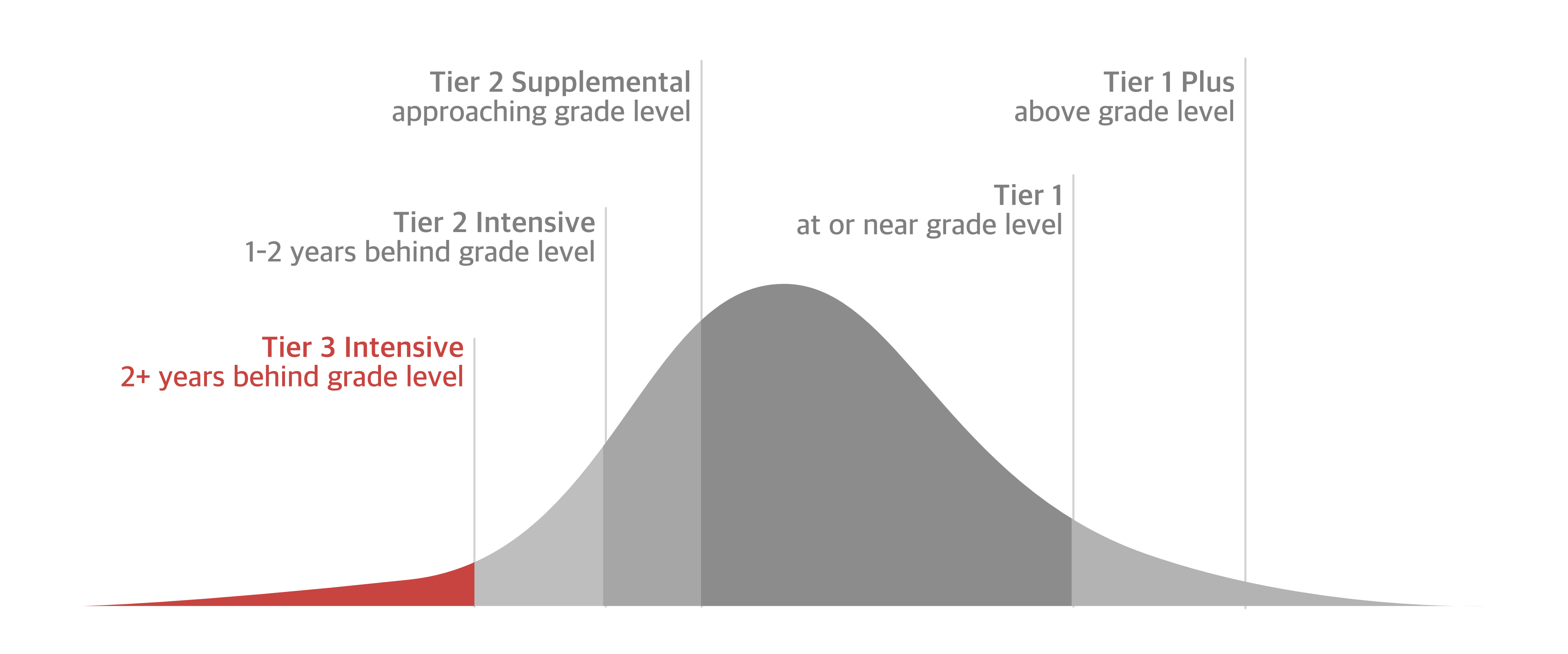
Tier 3 instruction is the most intensive level of academic or behavioral support within a multi-tiered system of support (MTSS). It is designed for the small percentage of students—typically around 1–5%—who demonstrate significant and persistent learning or behavioral challenges that are not adequately addressed through Tier 1 and Tier 2 supports.
Tier 3 involves highly individualized, research-based interventions that are tailored to meet the unique needs of each student. Instruction is often delivered in one-on-one or very small group settings and is significantly more frequent and focused than in the previous tiers. These interventions are carefully aligned with students’ specific skill deficits and are informed by diagnostic assessments and detailed progress monitoring data.
The goal of Tier 3 instruction is to provide students with intensive support that enables meaningful growth and closes the achievement gap. It requires close collaboration among educators, specialists, and families, and often includes the involvement of special education services or individualized education plans (IEPs) when appropriate. The effectiveness of Tier 3 instruction is continually evaluated, and adjustments are made as needed to ensure students receive the targeted help they require to succeed.